OPERATION POPEYE
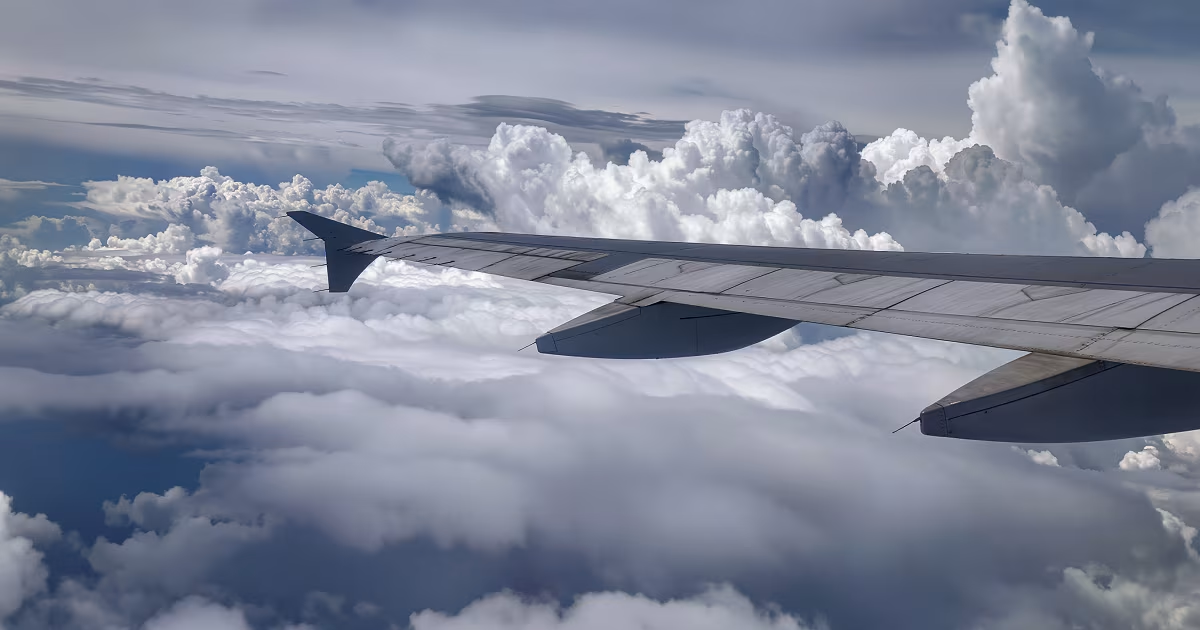
An aircraft wing above towering monsoon clouds over Southeast Asia.
Illustration, not a period photograph.

Archive / Conspiracy / BOT313-0129
CON-1967ConspiracyMAKE MUD
CLOUD SEEDING TO MAKE MUD ON THE TRAIL
Fig. 01 An aircraft wing above towering monsoon clouds over Southeast Asia. Illustration, not a period photograph.
Opening
From 1967 into 1972 the United States ran a cloud-seeding operation over parts of the Ho Chi Minh Trail and Laos, under names that included Popeye. The idea was mud: make the wet season wetter, bog down the trucks and cut the flow of supplies south. WC-130 and F-4 aircraft seeded the clouds.
Reporters had already picked up the story when a 1971 to 1972 Senate inquiry, led by Claiborne Pell and others, brought the weather work into the open. The Pentagon's public account had been thin. The operational aim was to increase rainfall over chosen stretches of the trail. How much extra rain it actually produced is still disputed, and no treaty banned weather as a weapon until 1977.
Timeline
Mid-1960sCloud-seeding experiments.
1967Operational seeding begins over the trail region. Sorties continue into the early 1970s.
1971Press reports, then Senate interest. Officials describe the aim as cutting supply lines with rain.
1972The operation is public enough to be politically damaging.
1977The Environmental Modification Convention (ENMOD) bans the hostile use of environmental modification. It came after Popeye had already flown.
Key figures
The WC-130 and F-4 crews flew the seeding runs.
The US military command in Vietnam (MACV) and its weather units set the aim: mud on the trail.
The Senate inquirers brought the program into public view, and the Pentagon's spokesmen saw their thin public account fail to hold.
The North Vietnamese and Pathet Lao supply networks were the target the mud was meant to stop.
Physical and documentary trail
What exists:
One: operational orders and sortie records for seeding over the trail region.
Two: the stated aim of increasing rain to hold up traffic.
Three: the 1971 to 1972 public and Senate airing.
Four: the 1977 ENMOD treaty that followed.
The sortie records settle that the aircraft flew. What is missing is a rain-gauge record everyone accepts as proof of extra inches on seeded days, and any evidence that the trail was closed for good. The 1977 treaty is a legal response written afterwards, not a verdict on how well the seeding worked.
Things you might not know
- Its motto was "make mud, not war". The slogan belonged to the 54th Weather Reconnaissance Squadron, which flew the missions.
- The crews called it Motorpool. That was the squadron's internal code name.
- Five aircraft flew twice a day. Three C-130 Hercules and two F-4C Phantoms operated from Udon Thani in Thailand.
- The seed was silver and lead iodide. Both were dropped into clouds to make them release more rain.
- The goal was a longer monsoon. Planners hoped to stretch the rainy season by 30 to 45 days.
- A columnist broke it under another name. Jack Anderson wrote about it in March 1971 as "Intermediary-Compatriot". The Popeye name came out through the Pentagon Papers and a 1972 Seymour Hersh story.
Competing explanations
A successful weather weapon. This is how some after-action reports described it. The sorties are real, but the extra rainfall is disputed.
A real program with a modest weather effect and a large political cost. This fits monsoon country, where it already rains heavily, and the treaty that followed.
A paper operation that barely seeded. This is weak, given the aircraft records and the Senate inquiry.
Later life of the case
Popeye is the documented case behind the ENMOD treaty and the real event that weather-weapon theories most often point back to. Where it showed that a military would try to change the weather, it did not show that it worked well, and later claims of storms steered by governments go far beyond what the sortie records support. For the Alaska antenna field at the centre of those claims today, see HAARP.
Finding
American aircraft seeded clouds over the trail from 1967 to make mud, and a Senate inquiry in the early 1970s put that aim on the record. Popeye was a real program that flew, not a theory.
What still will not resolve: a set of rain-gauge records that proves the extra inches, or a document that shows the trail closed because of them.
Evidence signature
3/9 Thin
- Witnesses
- nothing on record
- Instruments
- nothing on record
- Paper
- formal investigation, court or declassified file
How well documented the case is, not whether it's true. A strong record can still have an ordinary answer, and a thin one can still be real.
You decide · OPERATION POPEYE
What do you think happened?
One vote per case, anonymous. You'll see how other readers voted once you've voted.